Search Blogs
Challenges and Opportunities in Nepal's Construction Sector: A 2024 Perspective
The construction landscape in Nepal is rapidly evolving, driven by a mix of traditional craftsmanship and modern technological advancements. As the country undergoes significant urbanization, the architecture, engineering, and construction (AEC) sectors are witnessing a shift toward more sustainable and efficient practices. Architecture and DesignNepal's architecture reflects a blend of historical heritage and contemporary styles. Traditional Nepali architecture, known for its intricate woodwork and pagoda-style temples, is gradually integrating modern design elements to meet the needs of urban development. Modern architecture in Nepal emphasizes sustainability, with green building practices becoming increasingly popular. Architects are focusing on energy-efficient designs, using locally sourced materials, and incorporating natural elements into their projects. Engineering ServicesEngineering services in Nepal are evolving with the adoption of new technologies like Building Information Modeling (BIM). BIM is transforming the way construction projects are planned and executed by enabling better visualization, improved collaboration among stakeholders, and more accurate cost estimation. Despite challenges such as the lack of standardized guidelines, the push for wider BIM adoption is strong, as it holds the potential to significantly enhance productivity and project outcomes. Moreover, Nepal's engineering firms are prioritizing disaster resilience, given the country's vulnerability to earthquakes. Structural engineers are now integrating advanced seismic design practices to ensure that buildings can withstand natural disasters. This is especially important in a country where infrastructure development is key to economic growth. Challenges and OpportunitiesThe AEC industry in Nepal faces several challenges, including a shortage of skilled labor, inconsistent regulatory frameworks, and financial constraints. However, the demand for quality construction is driving the industry to innovate. Sustainable construction practices are gaining momentum, with firms exploring new markets and investing in technologies that enhance efficiency and reduce environmental impact. In summary, Nepal's construction industry is at a crossroads, balancing the preservation of traditional architectural values with the need for modernization. The adoption of advanced engineering practices and the focus on sustainability are set to shape the future of construction in Nepal, offering both challenges and opportunities for growth.
Published By: Reejan Kusma
Published On: Aug 25, 2024, 09:04:04 AM * 5 min to complete.
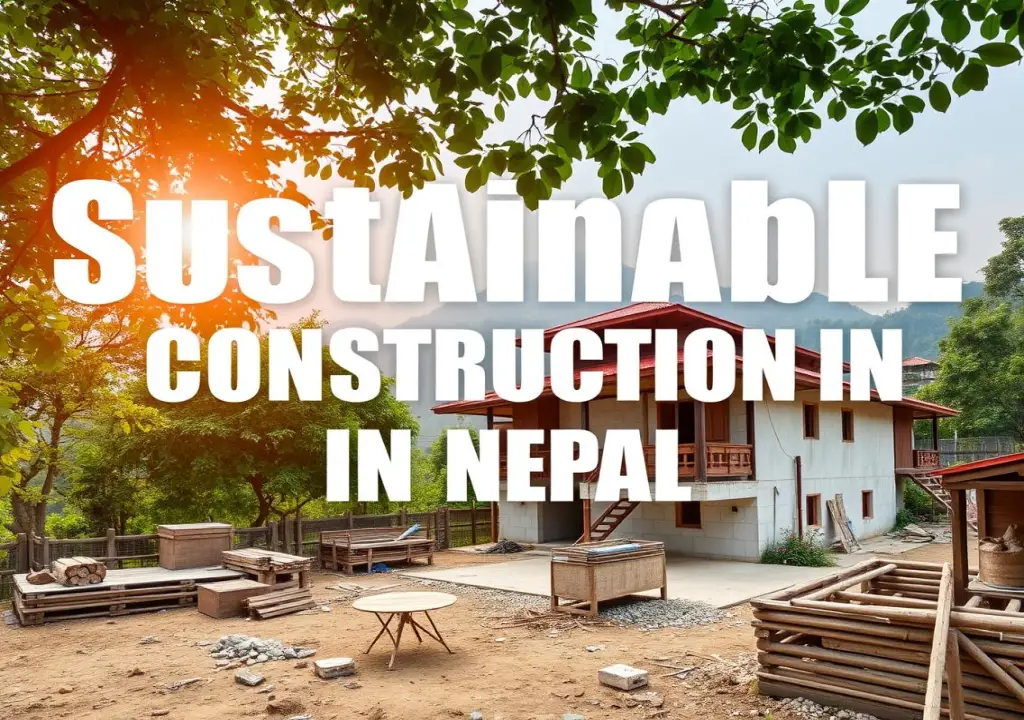
Sustainable Construction in Nepal
Introduction As Nepal rapidly urbanizes, the construction industry in Nepal plays a crucial role in shaping the nation’s future. With the country's susceptibility to natural disasters like earthquakes, adopting sustainable construction practices is essential. These practices not only create long-lasting structures but also minimize environmental impacts, promoting a healthier, more resilient Nepal. Importance of Sustainability in Construction Nepal’s unique geography and frequent natural disasters make sustainability in engineering and construction vital. Buildings need to be resilient, durable, and capable of withstanding challenges like earthquakes. Sustainable practices ensure that construction in Nepal meets these demands while reducing the industry's carbon footprint. Using Locally Sourced Materials A key aspect of sustainable construction in Nepal is utilizing locally sourced materials such as stone, bamboo, and traditional mud bricks. These materials reduce transportation costs, lower carbon emissions, and are often better suited to Nepal’s climate. Additionally, supporting local resources boosts the economy and preserves cultural construction techniques. Energy-Efficient Designs Incorporating energy-efficient designs into engineering services is essential for sustainability. Construction companies in Nepal can reduce energy consumption through passive solar designs, green roofs, and proper insulation. These methods not only lower environmental impact but also cut operational costs, benefiting both residents and businesses. Enhancing Disaster Resilience Given Nepal’s vulnerability to earthquakes, construction companies must prioritize disaster-resilient designs. Techniques like base isolation and reinforced masonry can significantly improve a building’s earthquake resistance. Sustainable construction ensures that structures are not only eco-friendly but also safe and robust. Conclusion Sustainable construction in Nepal is more than just an environmental concern; it’s a necessity for building a resilient future. By adopting these practices, construction companies can contribute to a safer, more sustainable Nepal, ensuring that today’s buildings stand strong for generations to come.
Published By: Reejan Kusma
Published On: Aug 13, 2024, 08:01:43 AM * 3 min to complete.
Overcoming Urban Challenges in Nepal's Real Estate Expansion
Nepal's real estate boom and urban challenges The rising demand for urban living spaces and the country's expanding population are driving growth in Nepal's real estate sector. Nevertheless, there are serious problems as a result of this quick growth, especially in the Kathmandu Valley where there is a lot of population, pollution, and unplanned cities. Due to the scarcity of suitable land, property values have surged, making affordable homes more and more difficult to find. At Epilogue Engineering and Construction Company, we are committed to building smarter cities that put quality of life and environmental responsibility first. We understand the urgent need for sustainable urban communities to address these concerns. Our projects are designed to give residents access to modern facilities in peaceful well-planned communities, so they can live in comfort and peace. Smart and sustainable solutions for a peaceful lifestyle 🏡 Epilogue Engineering and Construction Company is committed to transforming Nepal's urban landscape by following the Ministry of Urban Development guidelines. We focus on developing urban spaces with Wide roads, reliable Water supply, Underground Electricity, and efficient Drainage systems. Our properties are strategically located in serene areas with beautiful views and essential amenities such as Schools, Hospitals, and Shopping centers nearby. These efforts enhance living standards and offer significant investment potential as the areas evolve into vibrant communities. By prioritizing sustainability, we are building Nepal's greener, more livable future. Our dedication to quality and innovation makes us a leading real estate developer in the country, and we invite you to join us in our vision of creating urban spaces that are both livable and environmentally conscious.
Published By: Admin
Published On: Jul 14, 2024, 07:12:09 AM * 4